


-

Add: HeBei ShengShi HongBang Cellulose Technology CO.,LTD.
-

Email
13180486930@163.com -

CONTACT US
+86 13180486930
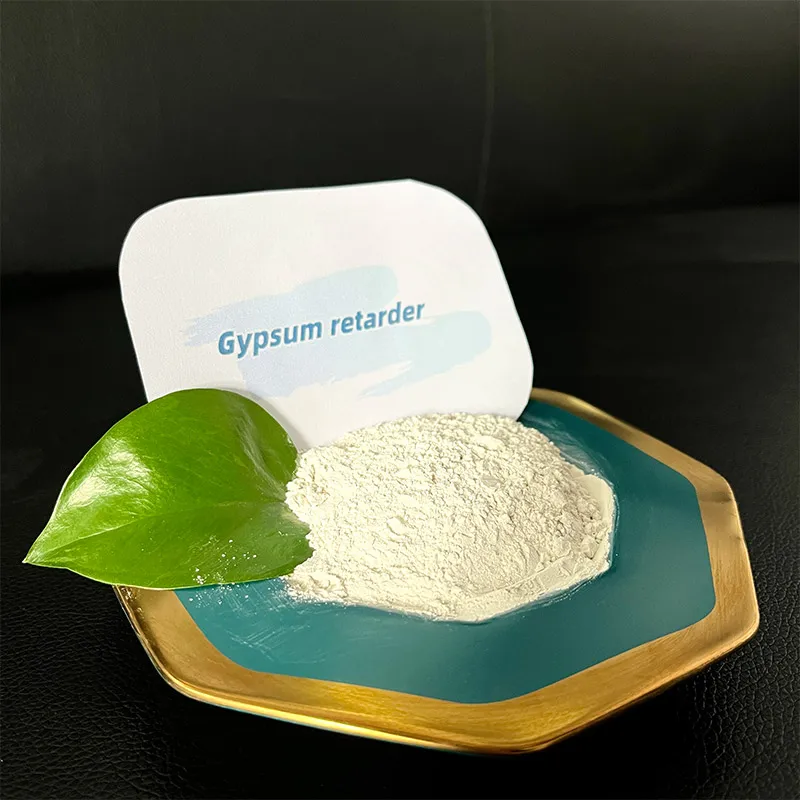




The gypsum retarder chemical is a crucial component in the world of plastering and construction. Gypsum, widely used in drywall and other building materials, has a natural tendency to set quickly. This is where a gypsum retarder chemical comes in—helping to slow down the setting time of gypsum-based materials. It allows for more flexibility during the application process, ensuring that workers have ample time to smooth, mold, and finish their plaster without the pressure of it hardening too soon. The role of the gypsum retarder chemical is particularly important for large-scale projects or when working in high-temperature environments, where gypsum sets faster than desired. By adding the retarder, contractors and plasterers can achieve smoother finishes and more accurate detailing, giving the end product a higher quality. The chemical's ability to slow down the hydration process makes it indispensable in situations where precision is key. Moreover, the gypsum retarder chemical helps prevent premature hardening, which can lead to cracks and other imperfections. For anyone working with plaster, whether for construction or artistic purposes, this chemical is a vital tool to ensure that the application process goes smoothly and the final result is flawless. Gypsum Plaster Retarder: Enhancing the Workability of Plaster When dealing with gypsum plaster retarder , you are essentially adding a substance that improves the workability of gypsum plaster. This retarder is specifically designed for plaster products, ensuring that they remain pliable for longer periods, thus giving the user more control over the setting time. It is especially useful for projects that require intricate detailing, as the extended work time reduces the risk of imperfections due to the quick setting of the plaster. The gypsum plaster retarder is added in small quantities during the mixing phase, where it interacts with the plaster’s composition to delay the setting reaction. By extending the time before hardening begins, this retarder provides artisans, contractors, and plasterers the ability to manipulate the plaster for a more professional finish. This is particularly beneficial when working with decorative plasterwork or large surface areas where precision and detail matter. In addition to improving the application process, the gypsum plaster retarder also helps maintain the integrity of the plaster. Since it slows down the setting time, it prevents the plaster from becoming too brittle too quickly, which can lead to cracks and breaks in the finished product. With the help of a gypsum plaster retarder , you can ensure your plaster job remains durable and beautiful for years to come. Trisodium Citrate Plaster Retarder: A Versatile Solution for Plastering One of the most widely used chemicals in the plaster industry is trisodium citrate plaster retarder , which has gained popularity due to its effectiveness in controlling the setting time of gypsum. Trisodium citrate plaster retarder works by interacting with the gypsum crystals during the hydration process, slowing down the chemical reaction that causes the plaster to harden. This gives users a longer period to work with the material, making it especially valuable in construction and renovation projects. The primary advantage of using trisodium citrate plaster retarder is its ability to delay the setting time without compromising the quality of the plaster. It can be used in a variety of applications, from simple wall coverings to intricate moldings and ornamental work. The versatility of this retarder ensures that it can be used in both large-scale industrial settings and smaller, more detailed artistic projects. Another benefit of trisodium citrate plaster retarder is that it is environmentally friendly compared to other chemical retarders. As a naturally occurring substance, trisodium citrate is safer for both the environment and the workers handling it. This makes it an excellent choice for those looking to create high-quality plasterwork while maintaining sustainability in their practices. Most Common Retarder in Gypsum: The Key to Perfect Setting Control The most common retarder in gypsum is often the go-to option for professionals in the plastering industry due to its reliability and consistency in performance. While there are various types of retarders available on the market, the most common retarder in gypsum is typically based on chemicals like citric acid or sodium-based compounds, which effectively slow down the hydration process. These compounds are particularly effective in gypsum plaster because they work well within the material’s chemical makeup. The use of the most common retarder in gypsum is not just limited to construction but extends to decorative applications, such as sculpting or making detailed plaster casts. By extending the time it takes for gypsum to set, the retarder allows for greater flexibility, ensuring that complex molds and fine details can be achieved without the material hardening prematurely. Moreover, the most common retarder in gypsum is available in various forms, including powders and liquid solutions, giving users the option to choose the best form for their specific project. Whether you are creating intricate designs or applying a simple plaster coat, this retarder is an invaluable addition to your plastering toolbox. By choosing the most common retarder in gypsum , you can achieve flawless results and meet the high standards expected in the industry. Choosing the Right Gypsum Retarder for Your Project When it comes to choosing the right gypsum retarder, understanding the needs of your specific project is crucial. Whether you are working with gypsum retarder chemical , gypsum plaster retarder , or trisodium citrate plaster retarder , the choice depends largely on the nature of the task at hand. For standard applications, the most common retarder in gypsum will often suffice. However, for more complex projects that require precise control, like decorative plaster work or large-scale construction, a specialized retarder may be necessary. Choosing the right product also depends on factors like environmental conditions. For example, if you are working in a hot, dry climate where gypsum sets quickly, using a high-performance gypsum plaster retarder will help you manage the setting time more effectively. On the other hand, in cooler climates, the need for a retarder may not be as urgent, but it can still improve your efficiency. As a final consideration, ensure that the retarder you choose is compatible with the specific gypsum product you are using. Some gypsum formulations may respond better to one type of retarder over another. Working with a trusted supplier who understands these nuances will help you make an informed decision and achieve the best results for your project. G ypsum R etarder C hemical FAQs What is a gypsum retarder chemical? A gypsum retarder chemical is a substance added to gypsum materials to slow down their setting time. This gives the user more time to manipulate and apply the plaster without worrying about it hardening too quickly. How does trisodium citrate work as a plaster retarder? Trisodium citrate plaster retarder works by slowing down the hydration process of gypsum, preventing it from setting too quickly. This extends the time for application, making it easier to work with and allowing for more intricate and detailed plastering. Is trisodium citrate environmentally friendly? Yes, trisodium citrate plaster retarder is considered environmentally friendly. It is a naturally occurring substance that is safe for both the environment and those using it in plastering applications. Which is the most common retarder used in gypsum? The most common retarder in gypsum is often based on citric acid or sodium compounds. These chemicals effectively slow down the setting time of gypsum, allowing for better control during application. Where can I purchase gypsum retarders for my projects? Our website offers a variety of gypsum retarders including gypsum retarder chemical , gypsum plaster retarder , and trisodium citrate plaster retarder . Visit our site today to choose the best retarder for your needs and enhance the quality of your plastering work.
- 40000tons

Production
- 20+years

Experience
- 5000+㎡

Acreage

-
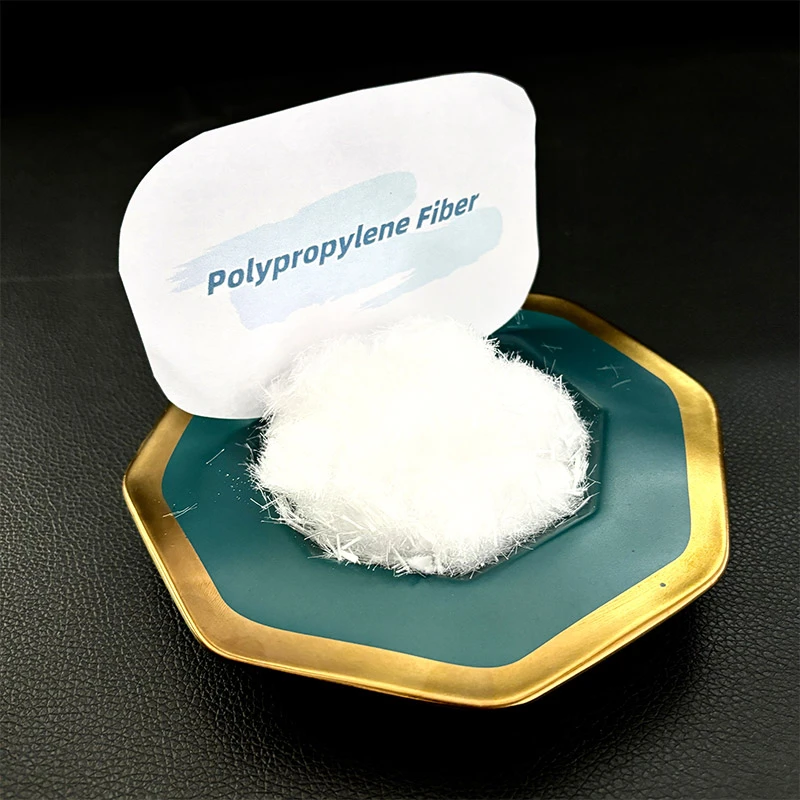
In the dynamic world of construction and infrastructure, material performance is the foundation of long-term durability. Among various reinforcement materials available in the market, polypropylene fiber for sale has emerged as a preferred solution for enhancing the tensile strength, cracking resistance, and overall resilience of cementitious materials. Whether in industrial floors, precast structures, shotcrete, or overlays, polypropylene fiber offers unmatched performance at a reasonable cost. The widespread use of polypropylene fiber for sale is due to its high chemical resistance, low density, and excellent dispersibility in concrete and mortar systems. Unlike steel fibers, polypropylene fibers are non-corrosive, lightweight, and much easier to transport and mix. As a result, they are an ideal alternative for both temporary and permanent structural applications where long-term crack control and durability are essential. Contractors, civil engineers, and builders around the globe are now turning to polypropylene fiber for sale not only for its technical benefits but also for its economic viability. From residential projects to large-scale infrastructure development, this material meets the growing demand for sustainable and long-lasting construction techniques. What Makes Polypropylene Fiber Essential for Modern Construction? Polypropylene fiber is a synthetic monofilament or fibrillated material made from 100% polypropylene, known for its exceptional strength-to-weight ratio. As a secondary reinforcement, it plays a crucial role in reducing plastic shrinkage cracking, increasing impact resistance, and improving the abrasion performance of concrete structures. Its hydrophobic nature ensures excellent moisture resistance, making polypropylene fiber an ideal additive for environments exposed to varying levels of humidity or water penetration. Once mixed with concrete, the fiber forms a three-dimensional matrix that helps distribute stress throughout the composite, significantly reducing microcrack propagation and surface degradation. One of the key advantages of polypropylene fiber is its versatility. It is widely used in tunnels, dams, bridges, pavements, shotcrete applications, and even decorative concrete surfaces. In addition to structural benefits, it also improves fire resistance by minimizing explosive spalling under high temperatures, making it valuable in fireproofing solutions. Unlike steel fibers that may corrode or clump together, polypropylene fiber is chemically inert and has excellent compatibility with other admixtures, including retarders, accelerators, and plasticizers. This compatibility ensures predictable behavior across a wide range of environmental conditions and mix designs. How Polypropylene Fiber Manufacturers Ensure Consistent Quality and Performance Selecting the right supplier is critical to achieving optimal results. Leading polypropylene fiber manufacturers implement advanced production techniques to ensure fiber uniformity, length control, and performance consistency. These manufacturers focus on producing fibers with controlled aspect ratios, tensile strengths exceeding 400 MPa, and elongation properties suitable for high-performance concrete applications. Reputable polypropylene fiber manufacturers follow rigorous quality control protocols, adhering to international standards such as ASTM C1116, EN 14889, and ISO certifications. These standards ensure that each fiber batch delivers the intended performance benefits when added to the final product. Manufacturers today are not just suppliers—they are solution providers. Many offer technical assistance to clients, helping them optimize mix designs, determine appropriate dosage levels, and conduct on-site training. Some advanced manufacturers even offer customized fiber grades tailored for specific applications, such as shotcrete or high-strength concrete overlays. Sustainability is another key focus of modern polypropylene fiber manufacturers . Many suppliers use recycled polypropylene in their production lines, aligning with global efforts to reduce construction waste and carbon emissions. As environmental concerns continue to shape industry practices, these manufacturers play a vital role in delivering both performance and responsibility. Analyzing Polypropylene Fibre Cost in a Competitive Market Understanding the dynamics behind polypropylene fibre cost is essential for procurement teams and project managers seeking the best value without compromising on quality. The cost of polypropylene fiber is influenced by several factors, including raw material prices (especially crude oil derivatives), production technology, fiber type (monofilament, fibrillated, or embossed), and packaging. On average, polypropylene fibre cost ranges between $2.00 to $4.00 per kilogram, depending on the performance grade and order volume. Premium grades with higher tensile strength, heat resistance, or specific dimensional properties may fall at the upper end of this spectrum. However, even at the higher price points, the cost-effectiveness of the material is apparent when factoring in reduced cracking, lower maintenance needs, and extended service life of the concrete. It is important to consider that polypropylene fibre cost is not merely a function of price per kilogram. The actual cost-effectiveness must be evaluated based on the fiber’s performance in the application. For instance, a slightly more expensive fiber with better dispersibility might reduce the required dosage, leading to overall savings on the material and labor fronts. Many polypropylene fiber manufacturers offer sliding-scale pricing models for bulk orders, annual contracts, or long-term supply partnerships. This flexibility allows buyers to control costs while maintaining consistency in supply and product quality. Additionally, purchasing from integrated manufacturers who manage the entire value chain—from raw material processing to final packaging—can often result in better pricing stability and reduced procurement risks. Where to Find Reliable Polypropylene Fiber for Sale Today As the global construction market continues to grow, the demand for polypropylene fiber for sale remains robust. Buyers looking for dependable sources should focus on manufacturers and suppliers with a proven track record of performance, international certifications, and a clear understanding of application-specific needs. Many reputable polypropylene fiber manufacturers have established strong distribution networks worldwide, ensuring timely delivery and local technical support. These suppliers often offer a range of fiber types, including macro synthetic fibers for structural reinforcement and microfibers for shrinkage control, giving customers the flexibility to choose the most appropriate solution. In addition to quality, logistics and after-sales support are key differentiators. Top-tier suppliers offer sample testing, customized packaging options, and prompt assistance for any technical issues that may arise during product integration. Some also provide digital platforms that allow clients to track shipments, download technical data sheets, and access training materials, streamlining the procurement and application processes. Today’s market offers a wealth of opportunities to source polypropylene fiber for sale at competitive rates. However, buyers should look beyond price and focus on long-term performance, quality assurance, and the reputation of the supplier. Doing so ensures consistent concrete performance and maximized return on investment over the lifecycle of the construction project. Polypropylene fiber FAQs What are the main benefits of using polypropylene fiber in concrete? Polypropylene fiber improves the tensile strength, crack resistance, and durability of concrete. It forms a three-dimensional network within the mix, minimizing plastic shrinkage and surface cracking. Additionally, it enhances impact resistance, freeze-thaw performance, and reduces permeability, all contributing to longer service life in challenging environments. How does polypropylene fibre cost compare with steel fiber reinforcement? Polypropylene fibre cost is generally lower than steel fibers when considering material cost alone. However, the real advantage lies in its lightweight nature, non-corrosive properties, and ease of handling, which reduce transportation and labor costs. In many applications, polypropylene fibers provide similar performance at a fraction of the total installed cost. What dosage of polypropylene fiber is recommended for concrete reinforcement? Dosage depends on the fiber type and application. For microfibers used for shrinkage control, the typical dosage ranges from 0.6 to 1.2 kg per cubic meter. For structural macro fibers, dosages can range from 3 to 6 kg per cubic meter. It’s important to follow supplier recommendations and conduct performance testing to determine the optimal amount. Can polypropylene fiber be used in shotcrete applications? Yes, polypropylene fiber is commonly used in shotcrete, especially in tunneling, mining, and slope stabilization projects. It improves cohesion, reduces rebound loss, and enhances surface finish. Additionally, its non-metallic nature makes it suitable for applications requiring corrosion resistance and long-term durability. Are all polypropylene fiber manufacturers the same in terms of quality and service? No, the quality and reliability of polypropylene fiber manufacturers can vary significantly. Reputable suppliers adhere to international standards, offer comprehensive technical support, and maintain strict quality control during production. When sourcing fiber, it's essential to evaluate the supplier’s track record, certifications, and willingness to provide performance data or samples for evaluation.
-
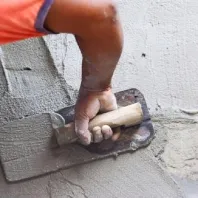
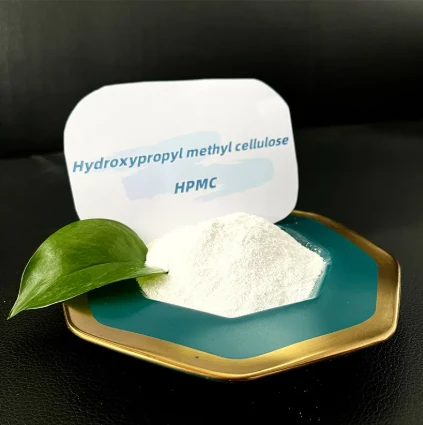
In the dynamic world of industrial applications, the need for reliable and effective thickening agents has never been more pressing. Hydroxypropyl methylcellulose (HPMC) emerges as a superior choice, presenting its unmatched capability to enhance the texture, stability, and performance properties of diverse products. Here's a comprehensive examination, backed by professional insights and user experiences, positioning HPMC as a thickening agent of unparalleled reliability and efficacy. HPMC is synthesized through the chemical modification of cellulose, one of the most abundant natural polymers. This backbone provides HPMC with both biodegradability and biocompatibility, making it a preferred choice over synthetic alternatives. The versatility of HPMC is evident in its widespread application across industries such as pharmaceuticals, food production, personal care, and construction materials. From an expert perspective, HPMC’s ability to act as a thickening, gelling, and stabilizing agent is attributed to its unique molecular structure. The molecule's hydrophilic nature facilitates its interactions with water, allowing it to form viscous solutions even at low concentrations. This characteristic is particularly beneficial in the food industry where consistency and mouthfeel are crucial. For instance, in products like sauces and dressings, HPMC ensures a smooth texture and improves shelf stability, meeting both manufacturer and consumer standards. Practical experiences reinforce HPMC's user-friendly nature and adaptability. For formulators in pharmaceuticals, the precision with which HPMC can be controlled is invaluable. It not only aids in the controlled release of active ingredients in drug formulations but also ensures the stability of active compounds, protecting them from environmental degradation. Moreover, in the realm of personal care, HPMC's non-ionic nature makes it compatible with a wide range of ingredients, including those that are sensitive to pH changes or ionic strength. Personal care products, including lotions, creams, and hair gels, leverage HPMC for its ability to deliver a pleasant texture while maintaining product stability throughout its shelf life. hpmc thickening agent Construction materials heavily rely on HPMC to enhance the workability of products such as cement and plaster. By modifying the viscosity of these materials, HPMC optimizes adhesive properties and water retention, leading to improved application efficiency and durability. This is crucial for both the construction workers who appreciate the improved handling properties and the end-users who benefit from longer-lasting structures. Authoritative studies and industry testimonials have consistently affirmed HPMC’s reliability as a thickening agent . Research indicates that its application can lead to significant cost reductions by minimizing the need for multiple additives. Furthermore, its performance is consistent across different environmental conditions, offering a level of assurance that few other thickeners can match. Trust in HPMC is also cemented by its regulatory approval across major markets. It meets the stringent safety and quality standards laid out by authorities such as the FDA and the EFSA, making it a go-to ingredient for global brands looking to maintain compliance and consumer trust. In conclusion, Hydroxypropyl methylcellulose stands out as a thickening agent combining expert-recommended benefits with real-world performance. Its comprehensive application portfolio, supported by scientific validation and widespread regulatory approval, ensures that it remains a cornerstone in the formulation of high-quality, stable, and efficient products across industries. The decision to incorporate HPMC into product lines is not just a choice of an individual chemical but a strategic step towards sustainable and reliable formulation strategies.
advantages
-

200000 Viscosities
Excellent product
We can produce pure products up to 200,000 viscosities
-

40000 tons
High yield
We don’t stop production all year round, and the annual output can reach 40,000 tons
-

24 hours
Quality service
We provide 24-hours online reception service, welcome to consult at any time
———— Inquiry Form
Schedule A services
-
 hydroxypropyl_methylcellulose_manufacturer
Oct . 25, 2025
Polyolefin fibers, especially polypropylene fiber , have become increasingly popular in various indu -
 bubuk_lateks_yang_dapat_didispersikan_kembali
Oct . 25, 2025
Hydroxy starch has emerged as a promising ingredient in various industries due to its versatile prop -
 starch_derivatives
Oct . 25, 2025
HPMC Connect is rapidly emerging as a pivotal element in the pharmaceutical and construction industr


